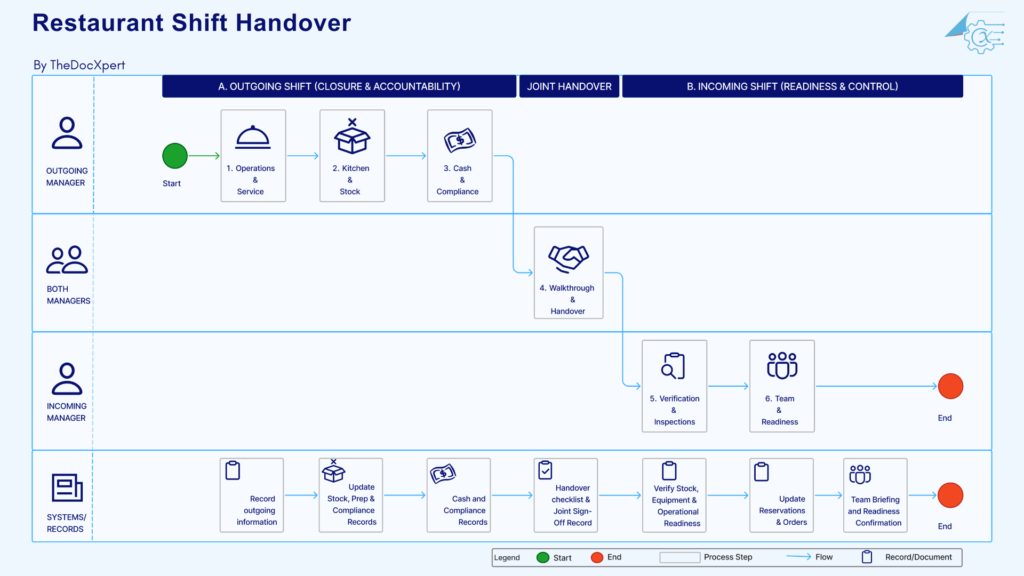


Every customer enquiry, purchase order, support request, or internal project passes through a series of people, decisions, and systems before it is completed.
When those transitions aren’t well designed, work slows down, communication breaks down, and productivity suffers.
Workflow optimisation improves how work flows across your business by removing unnecessary friction, simplifying handoffs, and creating more efficient ways for teams to collaborate.
Workflow optimisation is the process of improving how work moves through an organisation.
It examines the flow of activities, information, approvals, and decisions to identify delays, unnecessary steps, and communication gaps.
The objective is to create workflows that improve efficiency, strengthen collaboration, and support consistent operational performance.
Reduce delays and misunderstandings as work moves between teams.
Simplify approval pathways while maintaining appropriate governance.
Ensure the right information reaches the right people at the right time.
Improve coordination between departments working towards shared outcomes.
Remove unnecessary activities and create logical, repeatable workflows.
Provide managers with better insight into workflow performance and operational bottlenecks.
Your business may benefit from workflow optimisation if:

Understand how work currently moves through your business by identifying delays, bottlenecks, unnecessary handoffs, and workflow dependencies.
Redesign workflows that simplify approvals, improve collaboration, clarify responsibilities, and support more efficient operations.

Embed improved workflows into everyday operations through practical documentation, governance, and guidance that helps teams adopt consistent ways of working.
Depending on your business, your workflow optimisation project may include:
Even small improvements in workflow design can significantly improve productivity, collaboration, and customer experience.
Process improvement focuses on improving the overall performance of a business process.
Workflow optimisation focuses specifically on how work, information, and decisions move through that process to reduce delays, improve collaboration, and increase efficiency.
Yes.
Optimising workflows before implementing an ERP, CRM, or other business system helps ensure technology supports efficient ways of working instead of reinforcing existing inefficiencies.
No.
Many workflow improvements come from simplifying activities, clarifying responsibilities, improving communication, or removing unnecessary approvals. Automation should only be introduced where it genuinely adds value.
The timeframe depends on the size and complexity of the workflows being reviewed.
Some organisations focus on optimising a single workflow, while others review multiple cross-functional workflows as part of a broader operational improvement programme.
Work shouldn’t slow down because departments don’t connect.
Well-designed workflows remove unnecessary friction so information, decisions, and work move naturally across the business.
If your business is becoming harder to manage, it’s time to put the right systems in place.
Take a quick assessment to evaluate your current practices, identify gaps, and receive actionable insights for improving your governance.