Technical Documentation Services for Growing Businesses

Make your systems, APIs, and workflows easy to understand, use, and maintain

Technical documentation services help businesses document systems, APIs, and workflows so teams can understand, use, and maintain them consistently.

At The DocXpert, we provide engineer-led technical documentation and API documentation services, helping you turn complex systems into clear, structured documentation and knowledge systems—without hiring a full-time technical writer.

Struggling with Missing or Disconnected Technical Documentation?

As systems grow, documentation often becomes incomplete, inconsistent, or difficult to maintain.

Common challenges include:

Critical system knowledge remains with individual developers or engineers
APIs and integrations are partially documented or unclear
Documentation becomes outdated as systems evolve
Teams operate with different assumptions and limited shared visibility
Onboarding new engineers takes longer due to lack of structured knowledge

If this sounds familiar, your systems have likely outgrown your documentation.

What Are Technical Documentation Services?

Technical documentation services—often called system documentation or API documentation—help businesses turn complex code, systems, and architecture into clear, usable documentation your team can rely on.

This ensures your systems, APIs, and workflows are clearly understood and consistently used across your team.

Our engineers work within your existing tools—whether that’s GitHub, Postman, Confluence, or Notion—to document:
  • Software and system documentation
  • API documentation (endpoints, integrations, usage)
  • Internal technical guides
  • Process and workflow documentation

At The DocXpert, documentation is created by engineers and technical specialists, ensuring both technical accuracy and real-world usability.

What You Get with Our Technical Documentation Services

1. Software & System Documentation

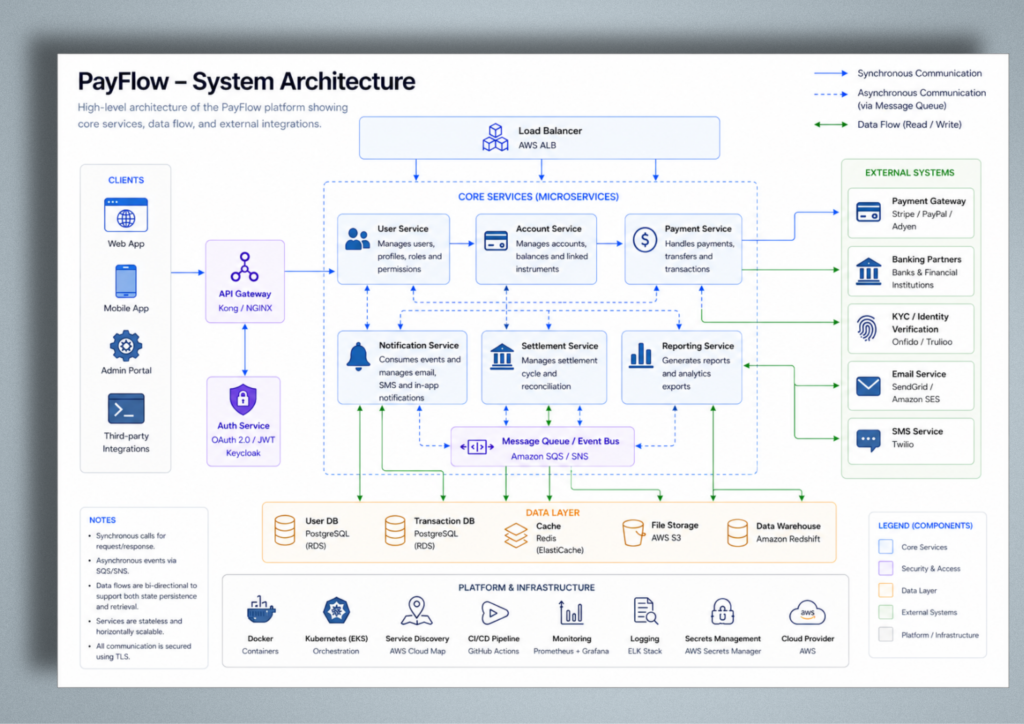
We document how your systems work end-to-end so teams can understand and operate them effectively.

This includes:
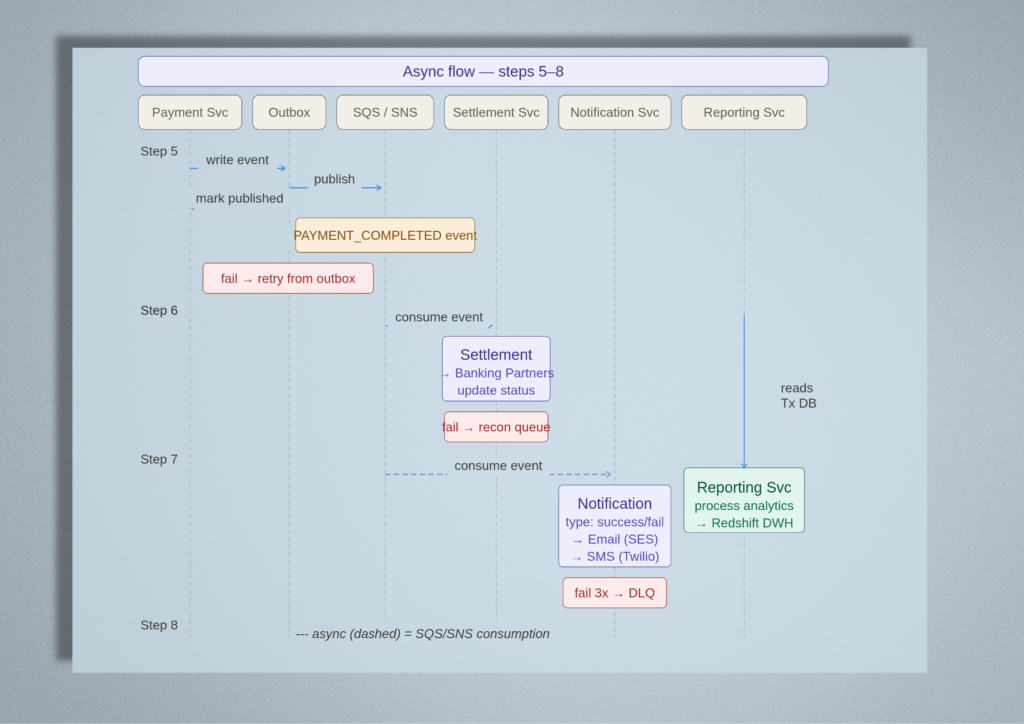
  • System architecture and workflows
  • Software functionality and logic
  • Integration points and dependencies

2. API Documentation

We create clear, structured API documentation that developers can easily use and maintain.

This includes:
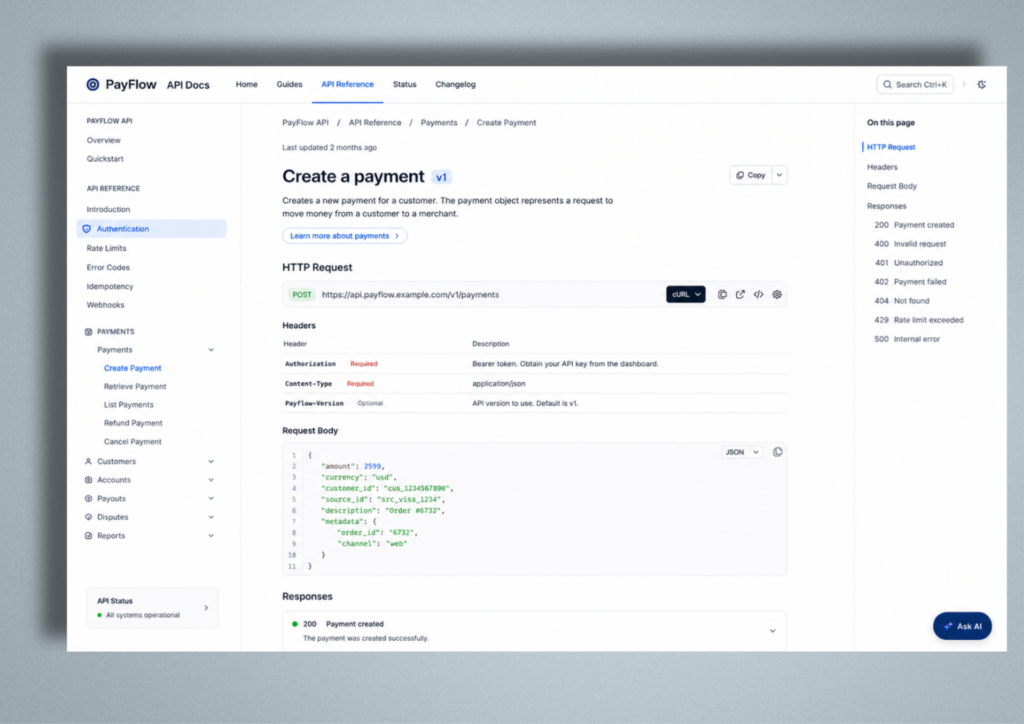
  • Endpoints and request/response formats
  • Authentication methods and usage guidelines
  • Integration instructions
  • Developer-friendly documentation formats

3. Engineer-Led Documentation

All documentation is created by engineers and technical specialists.

This ensures:
  • Accuracy aligned with real systems
  • Practical, usable documentation
  • Faster understanding for technical teams

4. Fractional Technical Documentation Support

We provide ongoing documentation support without the need for full-time hiring.

This includes:

  • On-demand documentation support
  • Continuous updates as systems evolve
  • Flexible engagement based on your needs

5. Structured Knowledge & Documentation Systems

We organise documentation into structured systems so it is easy to access and maintain.

This includes:
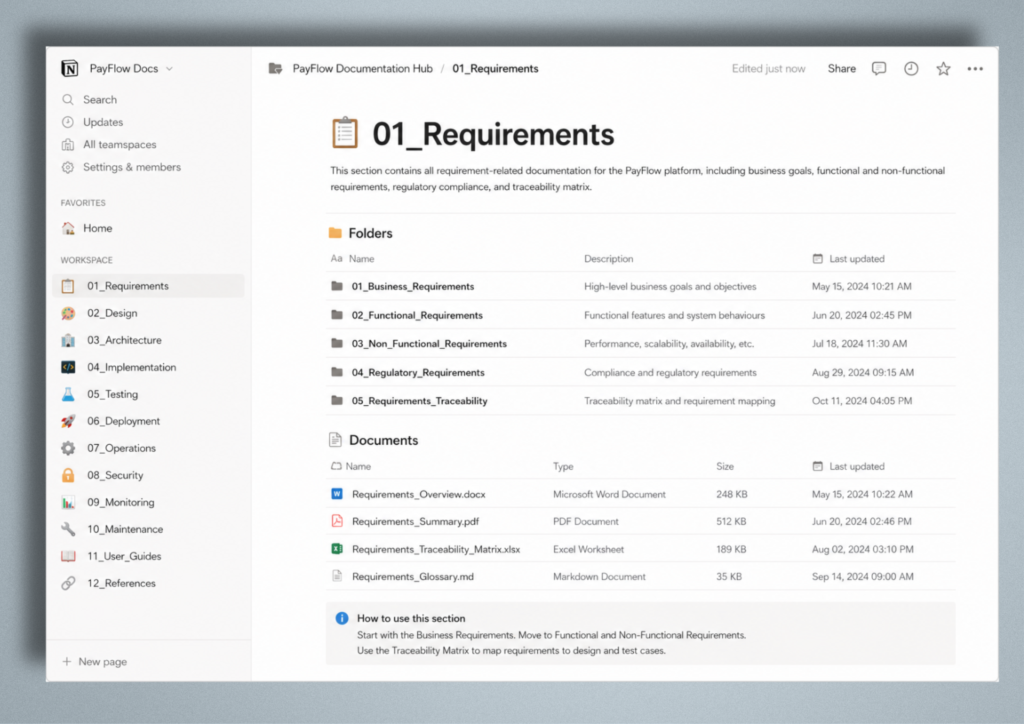
  • Centralised knowledge bases
  • Logical documentation frameworks
  • Clear categorisation and navigation

6. Cross-Team Knowledge Sharing & Standardisation

We ensure documentation works across engineering, product, and operations teams.

This leads to:

  • Shared understanding across functions
  • Consistent processes across systems
  • Clearer handoffs between teams
  • Reduced duplication and miscommunication

Where needed, this can be supported by SOP development services to ensure processes are consistently followed across teams.

7. Clear, Usable Technical Writing

We make complex systems easier to understand.

Your documentation is:

  • Easy for developers to use
  • Accessible to cross-functional teams
  • Structured for quick reference and decision-making

Who Needs Technical Documentation Services

Technical documentation and API documentation services are typically used by:

  • SaaS and product companies
  • Engineering and development teams
  • Tech-enabled businesses scaling operations
  • Companies preparing for audits, integrations, or expansion
  • Companies moving from Monolith to Microservices or undergoing a Digital Transformation

If your systems are growing but documentation is becoming harder to manage, this service helps introduce structure and clarity.

When Do Businesses Need Technical Documentation Services?

Businesses typically need technical documentation services when:

  • Systems become difficult to understand across teams
  • APIs are inconsistently documented or hard to use
  • Knowledge is concentrated in key developers or engineers
  • Onboarding technical hires takes too long
  • Documentation is outdated, incomplete, or scattered

If the issue goes beyond documentation and relates to how work flows across teams, you may also benefit from business process improvement services.

Why Technical Documentation Matters

Without structured technical documentation:

  • Knowledge remains dependent on individuals
  • Teams lack shared understanding of systems
  • APIs and systems are harder to use or maintain
  • Onboarding takes longer
  • Processes become inconsistent With clear, structured documentation:
  • Systems are easier to understand across teams
  • Teams operate with better alignment
  • Knowledge is easier to transfer and scale
  • Onboarding becomes faster and more consistent
  • Operations become more reliable and scalable

Our Approach to Technical Documentation

Step 1: System Audit & Discovery

We review your systems, workflows, and existing documentation.

Step 2: Technical Deep Dive

Our engineers collaborate with your team to understand architecture, APIs, and processes.

Step 3: Documentation Development

We create structured, accurate documentation tailored to your systems.

Step 4: Organisation & Enablement

We organise documentation into systems that support long-term use, access, and updates.

Why Most Technical Documentation Falls Short (And How We Address It)

Technical documentation often fails because it is:

  • Written by non-technical writers or not written at all
  • Not updated as systems evolve
  • Difficult to navigate or apply
  • Scattered across multiple tools without structure

We address this by:

  • Using engineers and technical specialists
  • Providing ongoing support through a fractional model
  • Prioritising clarity and usability
  • Structuring documentation for easy access and consistency

Common Use Cases for Technical Documentation

Businesses typically use technical documentation and system documentation services for:

  • Documenting software systems and platforms
  • Creating API documentation
  • Supporting engineering and product teams
  • Improving onboarding for technical roles
  • Preparing for audits and compliance
  • Standardising workflows across teams
  • Building structured internal knowledge bases

Business Outcomes of Technical Documentation

With clear, structured technical documentation in place, businesses typically experience:

  • Improved understanding of systems across teams
  • Faster onboarding for engineers and technical roles
  • Reduced reliance on individual developers or experts
  • More efficient use of APIs and internal systems
  • Better cross-team collaboration between engineering, product, and operations
  • More reliable and maintainable technical systems

Why Work With The DocXpert

  • Engineer-led documentation Accurate, practical, and aligned with real systems
  • Fractional documentation model Flexible support without full-time hiring
  • Cross-team clarity Improved understanding across engineering, product, and operations
  • Usability-first approach Documentation designed for real-world use
  • Built for growing businesses Structured, scalable, and adaptable

Frequently Asked Questions

What are technical documentation services?

Technical documentation services involve documenting systems, software, APIs, and workflows so teams can understand, use, and maintain them effectively.

It provides access to engineers and documentation specialists on demand, without hiring full-time staff.

Yes. We document software systems, APIs, workflows, and integrations.

Yes. With fractional support, documentation can be continuously updated as systems evolve.

Yes. We collaborate closely with engineering teams to ensure accuracy and completeness.

Start Building Clear, Scalable Technical Systems

If your systems are growing and documentation is becoming harder to manage, this is a good time to introduce more structure and consistency.